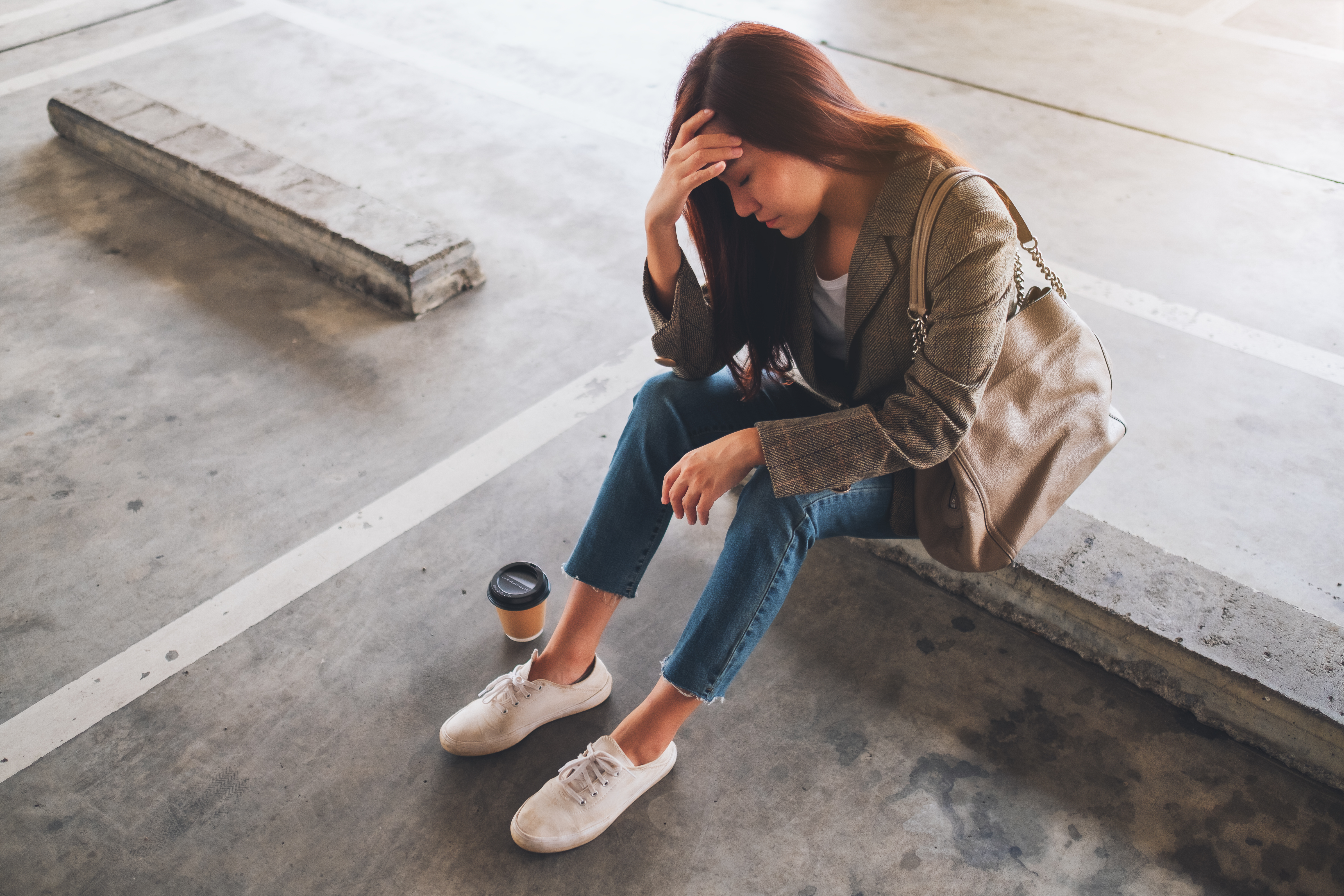
Parking Anxiety
Have you ever been driving and suddenly, you’re stressed and flustered and think to yourself: “Will I find a park,” “Will I fit into the park,” or “I don’t want to hold up traffic?” Well, you’re not alone – this feeling is called parking anxiety and it’s more common than you would think.
Parking anxiety is something that many people experience but don’t often discuss. In fact, sometimes you may not even realise you’re experiencing it. Our daily lives often include stressful situations (and a certain level of stress is normal), so people may not attribute this feeling specifically to parking anxiety.
These days there are plenty of transport options to get around but driving your car should be more comfortable [particularly due to the COVID-19 pandemic] and flexible than public transport, and for the most part, it possibly is. You’re in the comfort of your own car, you don’t need to worry about who’s listening to your conversation and you could sing at the top of your lungs if you wanted. But if everyone has the same idea to drive then trying to find a car park could induce some level of anxiety.
Let’s be clear, parking anxiety doesn’t just impact anxious drivers. Even a confident, experienced driver can experience parking anxiety.

What are the symptoms of parking anxiety?
Symptoms of parking anxiety vary from person to person but typically include:
- Adrenaline (fight-or-flight response)
- Palpitations
- Tension
- Shortness of breath (or finding it difficult to breathe)
- Shakiness
- Sweaty Palms
- A sense of claustrophobia
Effectively, your fight-or-flight response kicks into gear with adrenaline and cortisol flowing through your body. However, you’re trapped inside your vehicle with the daunting mission of finding a parking space so the body’s desire to run cannot be fulfilled causing psychological distress.
Parking anxiety at home
Parking anxiety is not limited to when you are out and about. The very thought of using your car can make you nervous and cause parking anxiety. This is common for many people who do not have access to off-street parking on a busy road so the risk of losing a parking space close to your house is enough to put you off leaving. According to an overseas AA (Automobile Association) study in 2016, one in ten people said there had been times they’d decided not to use their car out of fear they wouldn’t find another available space on their return.
Tips to help combat parking anxiety
- Plan
- Plan where you would like to park in advance. In car parks that you cannot book, have a back up option in case it is full (or other unforeseen circumstances such as road closures).
- You can use the ParkMate App to view car parks before you arrive. While you’re not able to book in advance through the app, you can view all car parks near where you need to go. In the main city centres, there are usually a few options in close proximity.
- If you are a regular parker who parks in the same area each day you could benefit from a monthly reserved subscription which will guarantee you a parking space.
2. Time
- Leave earlier than required. This will give you extra time if your initial parking plan needs to change (or you get delayed due to traffic, road closures, etc). Try not to put yourself in the position where you end up late due to parking anxiety. Another option is to check out google maps before you go to see if there are any unforeseen incidents that will delay your journey.
3. Practice
- Practice parking that makes you feel uncomfortable such as, parallel parking or reverse parking. This means that when you come across a parking space where you would previously be stressed, you can park with confidence rather than missing out on that space.
There is no guarantee that you with banish parking anxiety all together but hopefully you’ll be able to drive and park without parking anxiety taking over completely.